Leadership is not simply about leading others—it begins with believing in oneself, finding one’s voice and having the confidence to create positive change. For adolescent girls, these opportunities are often limited by social norms, gender inequality and unequal access to education and leadership platforms. Recognising this, The GOOD Project, implemented by Children of India Foundation (CIF), organised a two-day Kishori Leaders Leadership and Empowerment Meet on 20 and 21 June 2026, bringing together adolescent girl leaders from different districts to strengthen their leadership abilities and inspire them to become confident advocates for change within their communities.
The event was designed to provide a safe and engaging learning environment where Kishori Leaders could build essential life skills while learning from one another’s experiences. Through interactive sessions, creative activities and group discussions, participants explored their roles as young leaders and discovered how they could contribute towards creating safer, healthier and more inclusive communities.
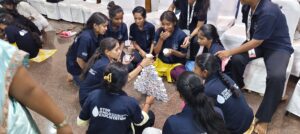
The programme commenced with participant registration followed by an engaging ice-breaking session that encouraged interaction and helped the girls build friendships across districts. This initial activity created an atmosphere of trust, openness and collaboration, allowing participants to confidently engage in the sessions that followed.
Participants were then introduced to the Children of India Foundation and The GOOD Project, gaining a deeper understanding of the organisation’s mission to empower vulnerable children, adolescents and communities. The sessions highlighted the project’s objectives and explained the various opportunities available to young leaders, including educational scholarships, child-centred research, advocacy initiatives and community support systems. By understanding the broader vision of the project, the participants recognised that they were not merely beneficiaries but active partners in creating meaningful social change.
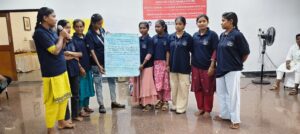
Throughout the two-day programme, learning was delivered through highly interactive and participatory methods that encouraged active involvement rather than passive listening. Drama performances enabled the girls to explore real-life social issues affecting children and adolescents while developing confidence, teamwork and communication skills. By portraying different situations and discussing possible solutions, participants gained a deeper understanding of challenges faced within their own communities and reflected on the role they could play in addressing them.
Poster-making activities encouraged creativity while helping participants express their ideas around education, equality, child protection and girls’ empowerment. These sessions provided an opportunity for each participant to visually communicate their dreams, aspirations and commitment towards building stronger communities.
One of the most engaging sessions focused on dream mapping, where participants reflected on their personal ambitions, educational goals and future aspirations. The activity encouraged the girls to look beyond present challenges and visualise the opportunities they wished to create for themselves and their communities. By identifying clear goals and discussing practical pathways to achieve them, participants strengthened both their self-belief and determination.
Team-building exercises further enhanced collaboration, trust and problem-solving skills. Working together to complete tasks demonstrated the importance of communication, cooperation and collective leadership—qualities that are essential for young leaders who aspire to create positive change within their schools and villages.
The programme also included sessions on roles and responsibilities, enabling Kishori Leaders to better understand their responsibilities within their communities. Discussions encouraged participants to think critically about how they could support other adolescents, raise awareness on important social issues and become role models for younger children.
An exciting on-the-spot public speaking activity challenged participants to express their opinions confidently on various topics. For many girls, speaking before a large audience was a new experience. The activity helped them overcome hesitation, improve their communication skills and develop greater self-confidence—qualities that will support them in future leadership roles.
Alongside leadership development, the programme focused on increasing awareness of key child protection and adolescent development issues. Interactive discussions explored topics such as child marriage, the Devadasi system, the importance of education, online safety and building healthy peer relationships. Participants examined how these issues affect children and adolescents and discussed practical ways of creating awareness within their own communities.
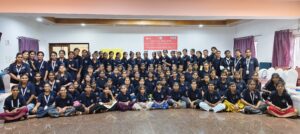
The sessions reinforced that leadership is closely connected with responsibility. As Kishori Leaders, the participants recognised that they have the ability to influence their peers, encourage children to continue their education, promote safe online behaviour and support efforts to prevent harmful practices affecting girls and young women.
The programme concluded with a reflection session where participants shared their experiences and feedback. They spoke about the confidence they had gained, the friendships they had built and the knowledge they planned to share after returning to their communities. Outstanding drama teams were recognised for their creativity and teamwork, while appreciation gifts were distributed to celebrate the enthusiasm and active participation of all the Kishori Leaders.
The two-day Kishori Leaders Leadership and Empowerment Meet 2026 successfully created a platform where adolescent girls could strengthen their leadership skills, discover their potential and build the confidence to become active changemakers. By investing in the leadership of adolescent girls today, Children of India Foundation and The GOOD Project are nurturing a generation of informed, confident and compassionate young women who are prepared to lead positive change within their families, schools and communities.
As these young leaders return to their respective districts, they carry with them not only new knowledge and skills but also a renewed sense of purpose. Their voices, leadership and determination will continue to inspire others, demonstrating that when adolescent girls are empowered with opportunities, they become powerful agents of sustainable community transformation.