Organisation at a Glance

Children of India Foundation (CIF) is a registered Non-Profit Organization based in Coimbatore, Tamil Nadu. It was founded in the year 2002 by a group of socially committed individuals.
 
CIF is presently engaged in activities related to child protection, health, livelihoods and education.CIF works towards empowering the most marginal sections of society and building their capabilities so that communities can drive their own development.

Impactful Activities

At 230 million, India accounts for the world’s highest number of child brides. Married in their early teens, these girls lack education, access to health care, are financially dependent and vulnerable to domestic abuse.

We support early married girls in education, health care, livelihood, social security and protect them from gender-based violence. IMAGE works in the state of Karnataka, which accounts for 23% of India’s Child Marriages. IMAGE began in 2018 and its first phase closed in 2020. IMAGE 2.0 began during September 2021

Image

Problem

Early Married Girls are excluded from most well being and development initiatives as child marriage is illegal, and there is no clarity on their status. As a result, they are denied their rights.

Solutions

We organise married adolescent girls from Karnataka into a movement where we train them on life skills, child rights, advocacy and sensitise them on their entitlements and the ill effects of child marriage. This exercise helps build a movement of early married girls who are confident, knowledgeable and courageous to advocate for their rights and spread awareness


MICA

Problem

Jharkhand and Bihar produce 25% of the world’s mica, used in cosmetics and automobiles. A 2018 NCPCR survey found 10,394 children in the mica belt are out of school, with some involved in mica collection.


Solutions

Our project addresses child labour in two mica-dependent districts of Jharkhand through a holistic, child-centric approach. We focus on removing children from mines, ensuring their sustained education, and strengthening parental capacities for better health and learning support. By promoting child participation and protection sensitisation, we empower children to become ‘agents of change’ 

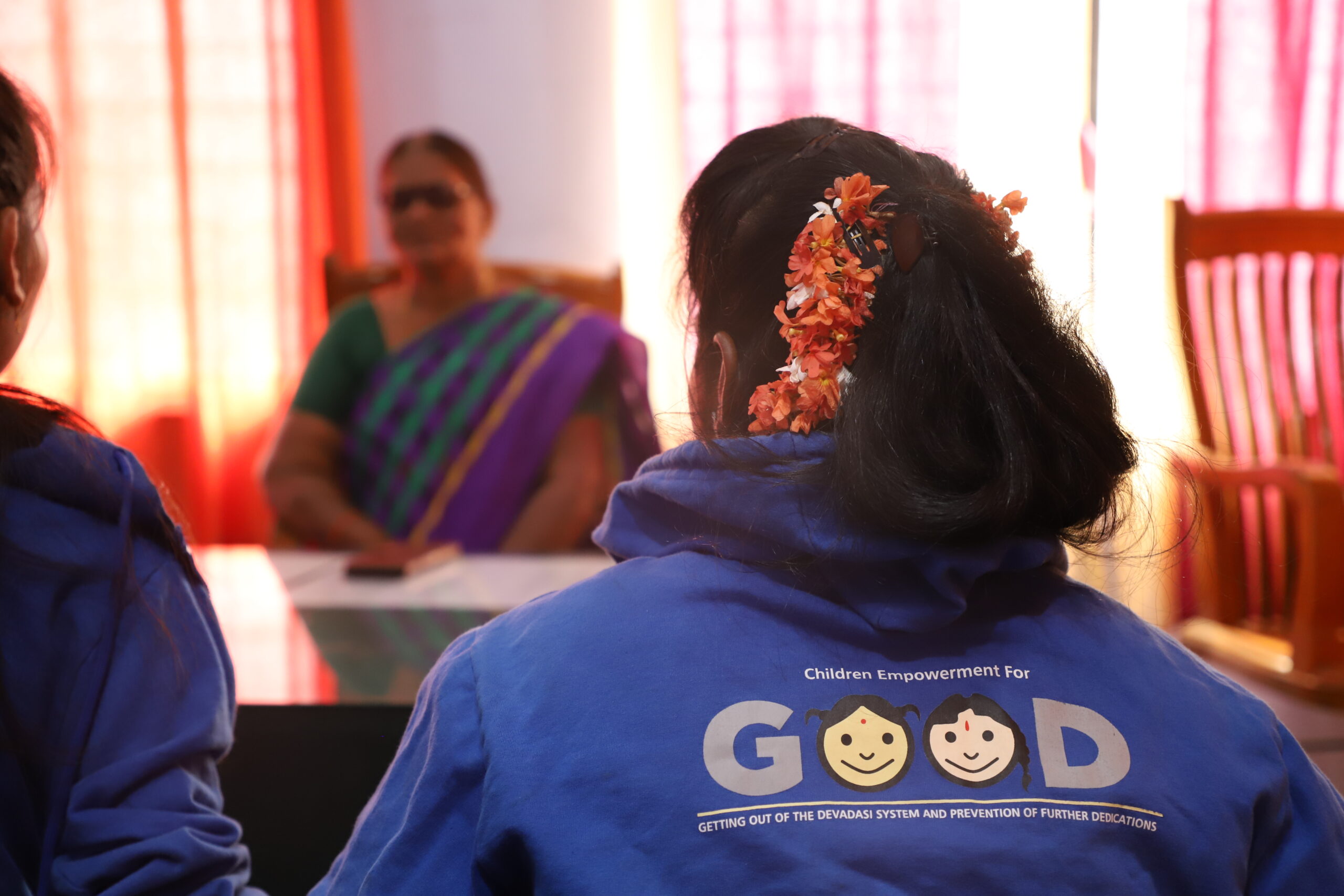
Children GOOD

Problem

Post puberty, adolescent girls from lower caste Devadasi communities are dedicated as sex workers. A practice deep rooted in socio-cultural exploitation, children of Devadasis are abused and discriminated against; most of them drop out of schools. Generations of women in the same family engage in the practice, making even the children who are not dedicated, vulnerable. 


Solutions

We address child exploitation in the Devadasi community through child participation in advocacy, education, and skill development, while also engaging with law enforcement and sensitising communities. Our work spans 11 districts of Karnataka, including six new districts—Yadagiri, Kalburgi, Raichur, Gadag, Haveri, and Davanagere. To date, we have supported 50 children out of exploitative situations and re-enrolled 85 school dropouts, strengthening our mission to protect  vulnerable children.


SUFASEC

Problem

Sexual exploitation of children (SEC) is a grave violation of children’s rights and affects millions of children and youth annually, regardless of gender. No region, country or child is immune. It impacts heavily and lastingly on children’s physical, emotional and mental well-being


Solutions

The programme envisions a world where all children live free from sexual exploitation. Recognising the complexity of SEC, it adopts a multi-sectoral, multi-actor, and systemic approach, engaging families, communities, civil society, government, and law enforcement. By addressing specific contexts, vulnerabilities, the programme works to prevent exploitation, protect children’s rights, support survivors, & create safer environments where child feels safe. We have worked in 5 States in AP, Jharkhand, Karnataka, Tamil Nadu & Telangana.


MISSCOLLECT

Problem

In India, 12% of children (5–14) are engaged in hazardous labor, including waste collection. In Bangalore, unorganized waste picking is common among migrant families, with children working in unsafe conditions that expose them to severe health risks. Poor living conditions, lack of basic services, frequent migration, and language barriers further push many into school dropouts or prevent them from attending school, forcing them into labor at a young age.


Solutions

We work to eliminate the worst forms of child labor by ensuring children access formal education and families achieve financial stability. Our approach includes enrolling children in schools through bridge courses and supportive learning, removing child labor from the waste-picking supply chain in Bangalore slums, and creating sustainable livelihoods for families. By combining education with economic empowerment, we aim to break the cycle of child labor for lasting change.


CCCEP

Problem

Nearly one in four urban residents lives in slums, where migrants, daily wage earners, and informal workers face insecure housing, lack of legal identity, poor sanitation, and limited access to clean water. Overcrowding, inadequate waste management, and restricted healthcare and education deepen their vulnerabilities, while systemic and social barriers continue to block access to essential urban services.


Solutions

To improve the well-being of the urban poor, the project adopts a community-led model integrating health, education, and child rights. It promotes preventive healthcare, including RMNCH+A, while supporting children’s learning and development through schools and anganwadis. By strengthening community-based child protection, facilitating access to identity documents, entitlements, and financial schemes, the project enhances family stability. At its core, it empowers communities to become active change agents for child protection


Project Activities

Health Care
Ensuring early married girls access health and nutrition services, along with reproductive health care and awareness.
238 Girls sensitised on postponment of pregnancies
381 Girls receive health check ups & nutritional supplements
Awareness Raising
Sensitising community members on the ill-effects of early marriage as a means to prevent early marriages and address issues of child marriage victims.
1780 School children raise awareness against child marriage
102 Schools where awareness raising through rallies and wall paintings were done
5 Street theatre sessions for the community for awareness against child marriage
Education
Ensuring early married girls access education through schools or as private candidates.
220 Girls access educational services
19 Girls re-enrolled in formal school
19 Girls registered as private candidates

Child Protection
Working to prevent child marriages and strengthening child protection institutions and mechanisms.
370 Girls immediately safeguarded from early marriage and gender-based violence
262 Community members participated in Child
26 Protection Committees Meetings with Child Protection Committees

Inspiring Results


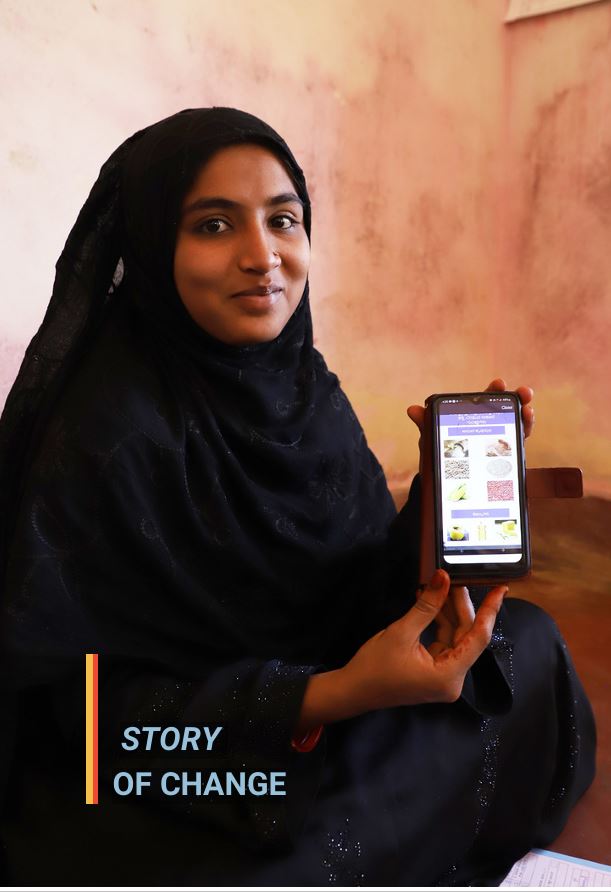
18 year old Salma was married at 17 and became pregnant soon after. Her body couldn’t handle the early pregnancy and she complained of fatigue and ill health. The field staff, through a mobile application called Nutree noted down her symptoms and shared with her a customised diet plan as generated by
the app.

The app also suggested that she take nutritional supplements and calcium tablets which the project provided to her. She has been undergoing follow up sessions through the app which monitors her progress and makes further suggestions to improve her health.

STORY OF CHANGE
She was also given access to a ‘mother card’ which helps her avail of services from the local anganwadi (health care centre). Her health hasimproved and she has also got knowledge on pre and post natal care as well as postponing her next pregnancy

Thematic Areas

HEALTH

EDUCATION

LIVELIHOOD

CHILD PROTECTION

Children We've Reached So Far

0
CHILDREN
0
STATES
0
VILLAGES
0
FAMILIES AND COMMUNITIES